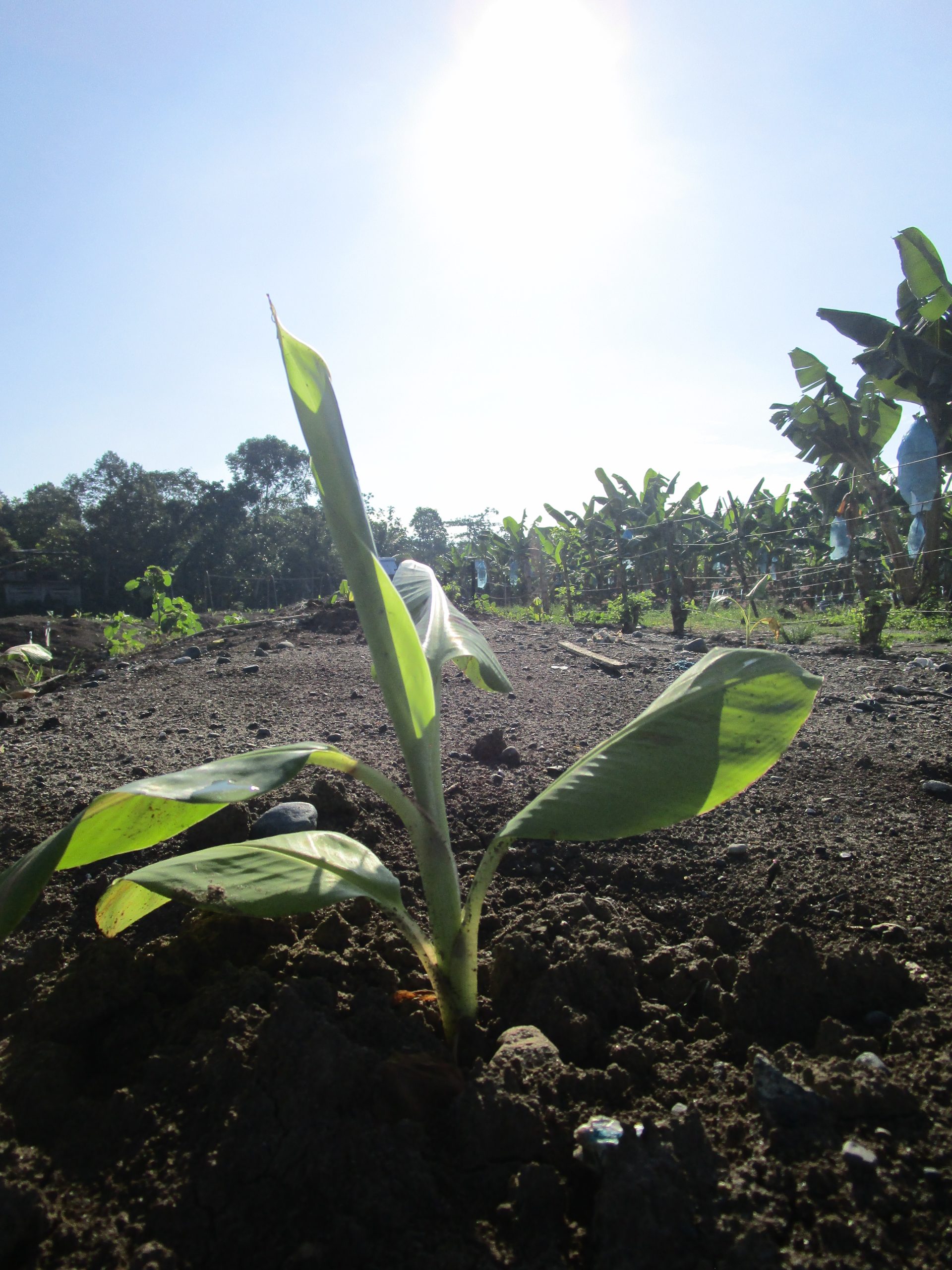
IntoSoil
CLEAN - GREEN - ORGANIC


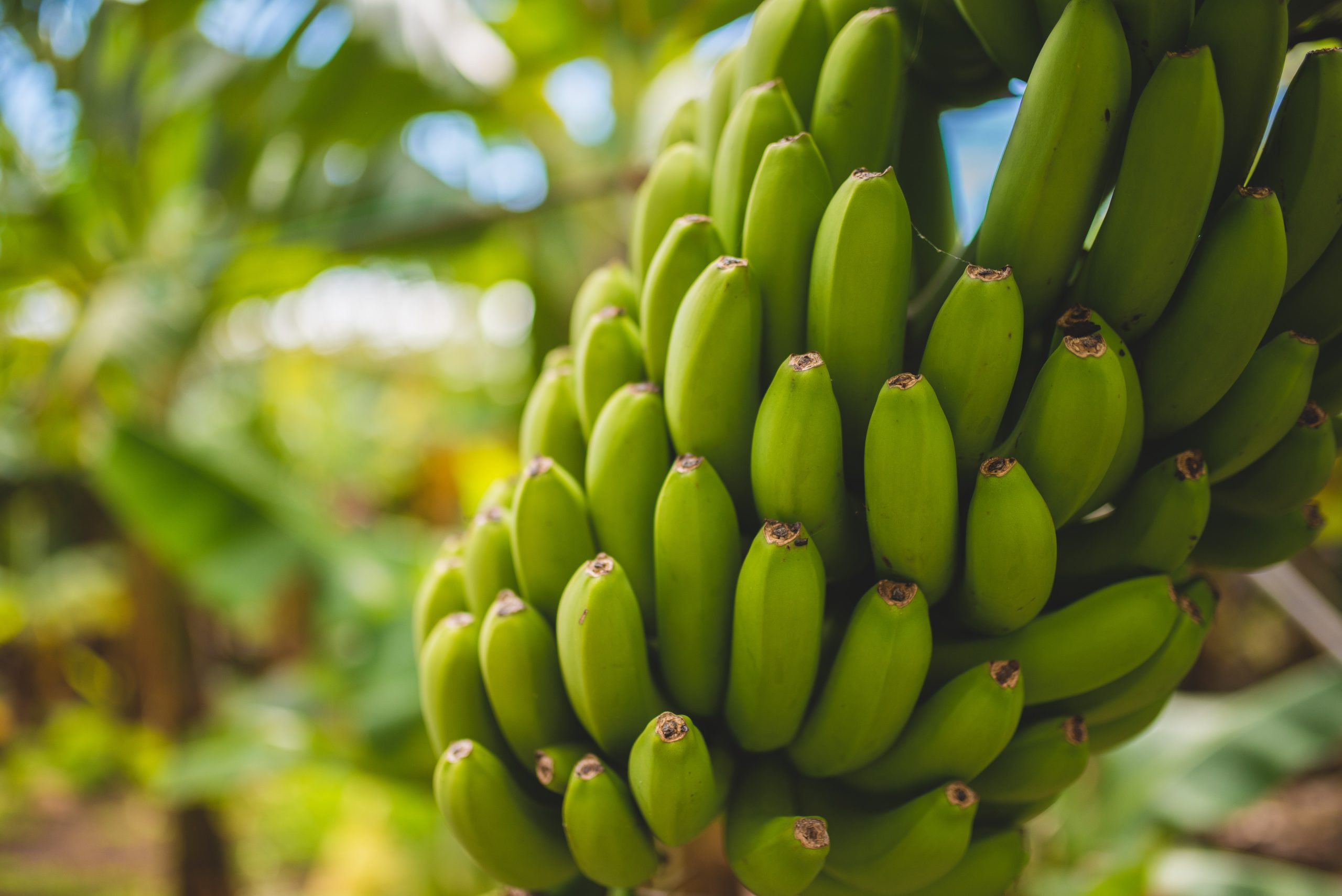
Panama disease (also known as Fusarium wilt) is a devastating disease in banana plants caused by the fungus Fusarium oxysporum f. sp. cubense Tropical Race 4 (Foc TR4). It is a soil-borne pathogen that affects the plant’s vascular tissue, blocking water and nutrient transport during growth. Affected plants are unlikely to produce a marketable bunch of bananas, and the plants eventually die. Panama disease has now become a significant threat to the global banana industry.
In the 1950s the Gros Michel banana was the prime cultivar until an outbreak of Panama disease caused by the so-called Tropical Race 1 (TR1) Fusarium strain. Banana plantations were destroyed, which diminished most of the commercial banana production of this type. This forced producers to switch to other disease-resistant cultivars. Leading to an almost complete replacement of the Gros Michel by the Cavendish banana. This cultivar was resistant to the TR1 strain. However, since the 1990s a new Fusarium strain, called Tropical Race 4 (TR4) was identified and first reported in Southeast Asia where it is currently spreading and destroying many plantations of Cavendish bananas in the region.
At the crop stage, banana bunches grow and they require additional nutrients and water. The banana plants may look healthy until bunches emerge, then suddenly start to show leaf yellowing and wilt.
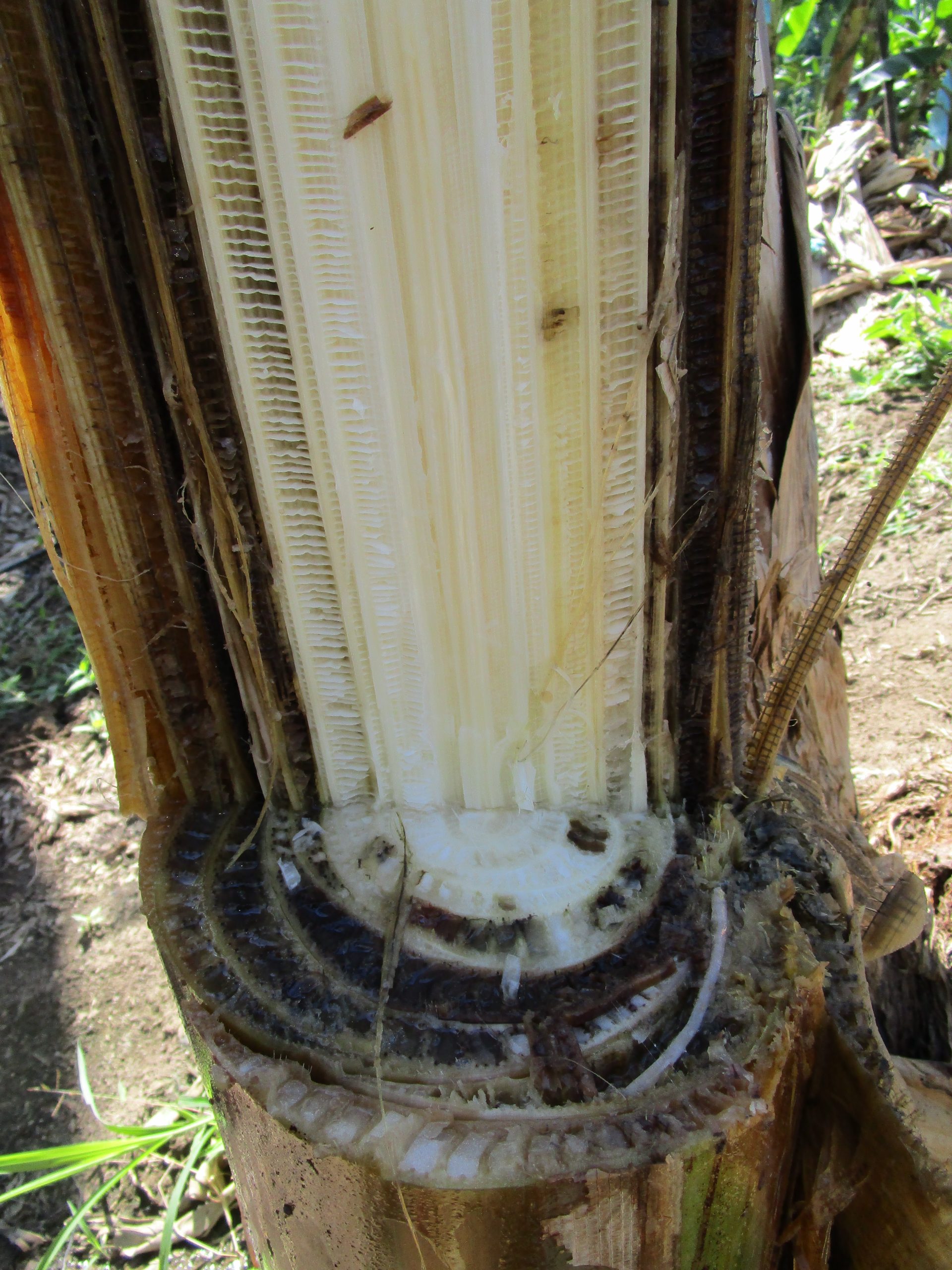
As the disease progresses, symptoms become more distinct and visible. The following internal and external symptoms can be observed:
Environmental stress such as wet, dry or extremely hot conditions are known to enhance the development of the disease.
Once a banana plant is infected, recovery is rare, but if it can occur. New emerging suckersmay already be infected and can propagate disease if planted.
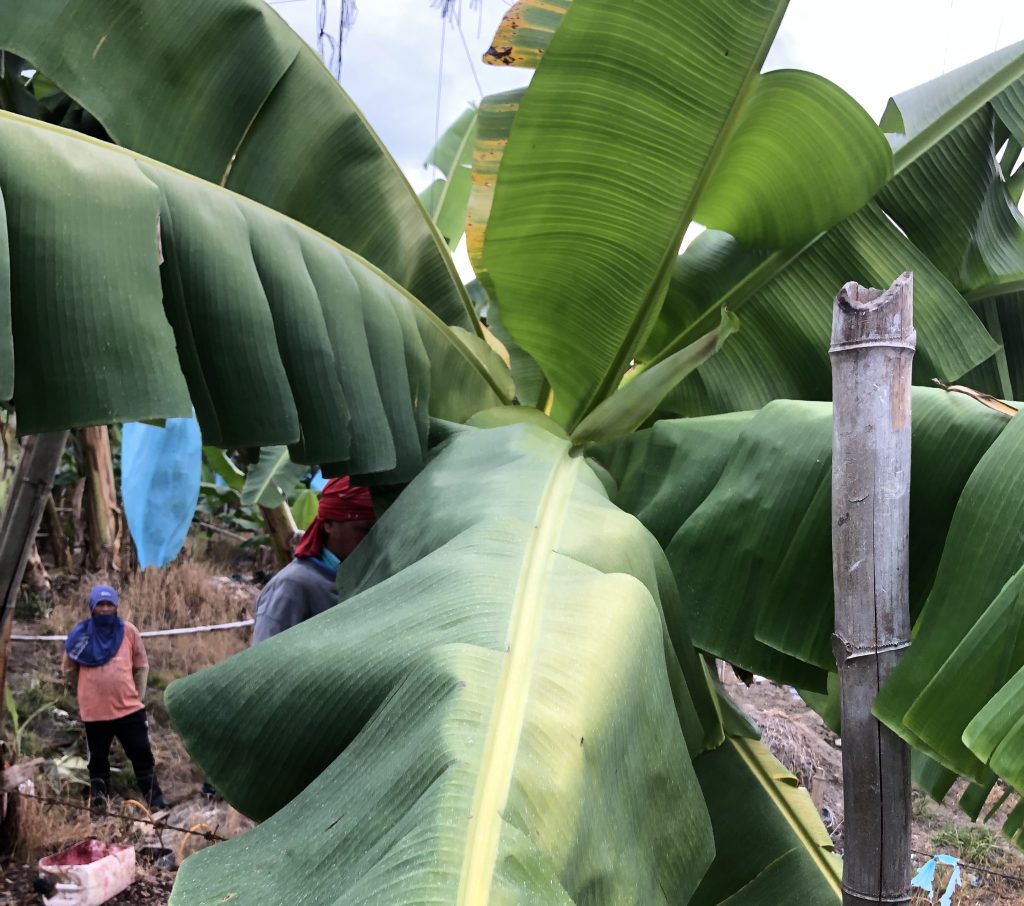
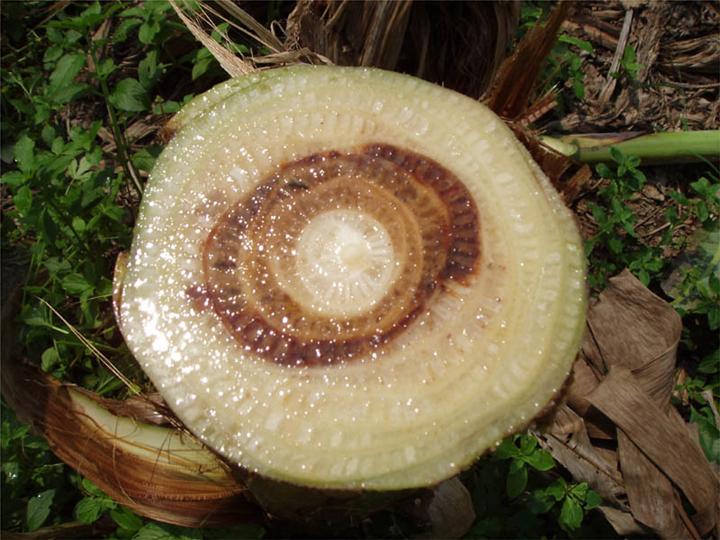

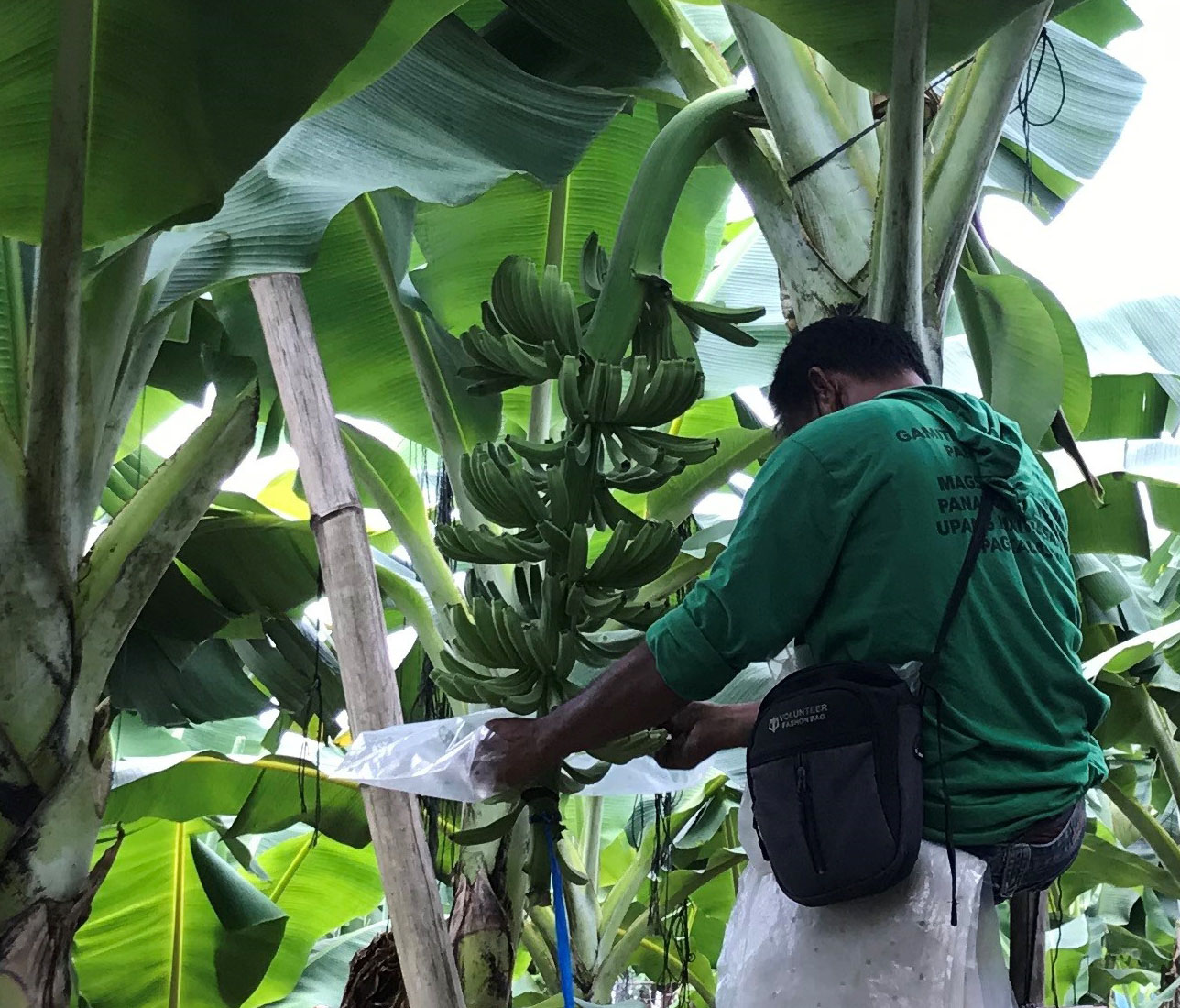
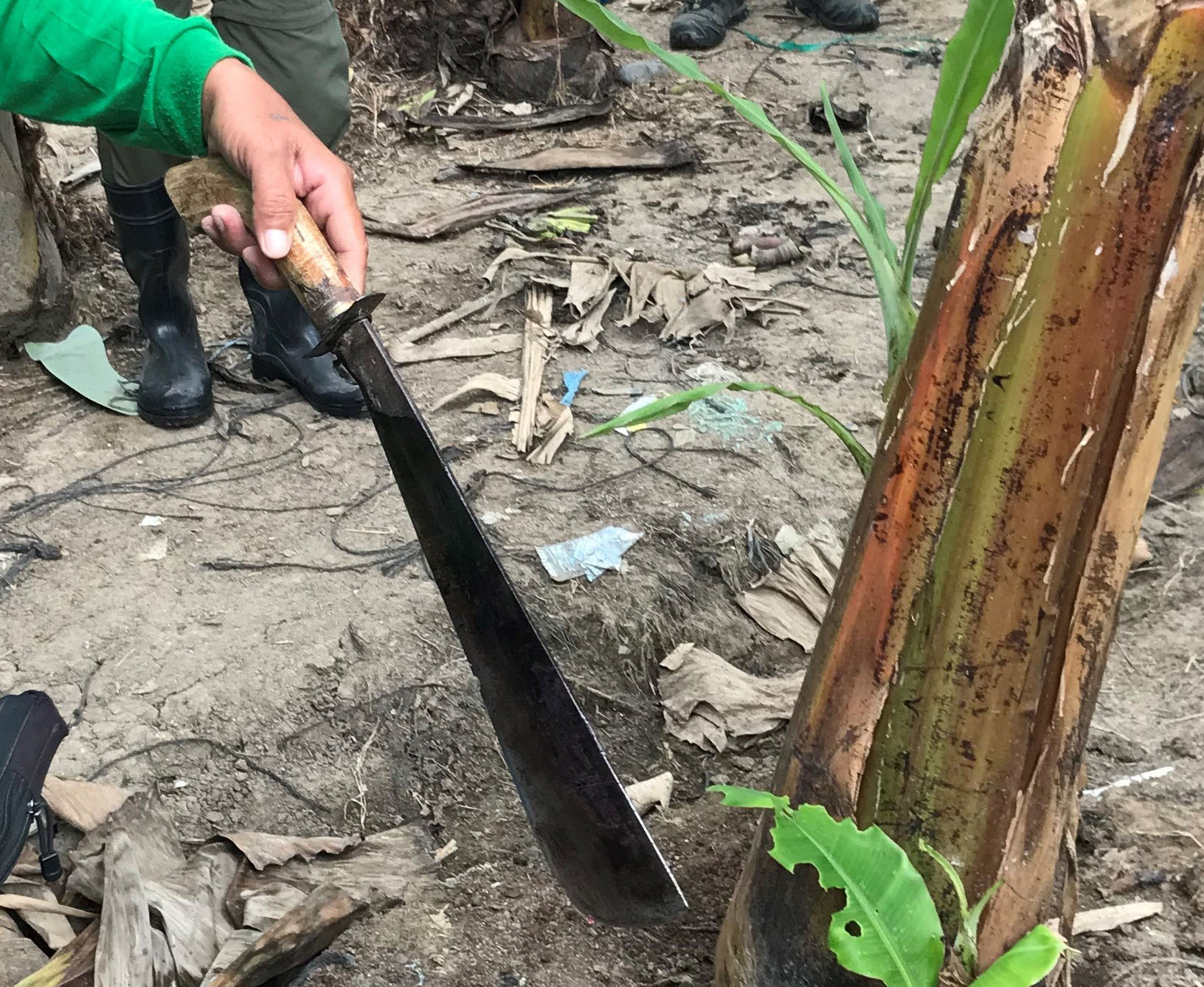
Panama disease can be spread very easily. It can be spread by people, vehicles, machinery, tools and animals. Spreading can also take place by the movement of infected banana plants, via root-to-root contact, planting material and via contaminated soil and water.

OUR SOLUTION
The spread of vascular diseases needs to be restricted and remediated to restore productive farmland. IntoSoil offers the global banana industry a solution for soil disinfestation and improving soil health. This ready-available solution called “Soil Resetting” uses an anaerobic soil disinfestation process where the fungus is killed in the infected soils and therewith the spreading of TR4 will be controlled and stopped.
Soil Resetting is a proven method for a wide range of crops, such as tomato, cucumber, lettuce and various cut flowers and flower bulbs. It is applied in a wide range of countries globally.
/